Deb’s Roast Chicken: An Easy Classic

May 21, 2019 by Deborah Penner


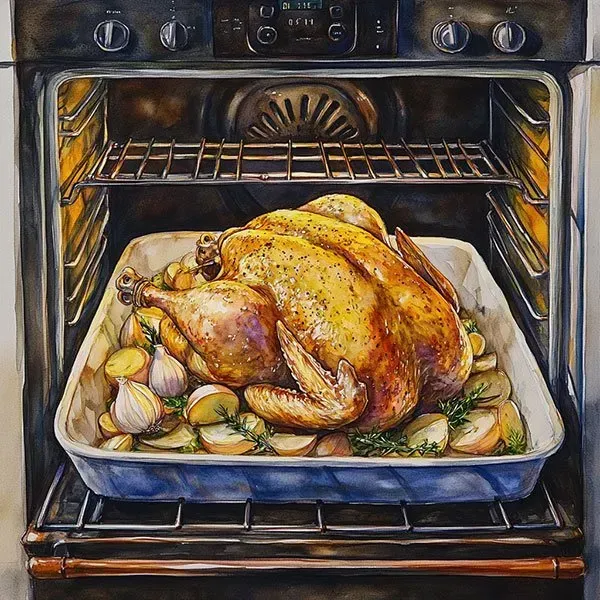
dbp blog 2019 05 roastchicken v1Few meals are as satisfying as a perfectly roasted chicken. Crispy, golden skin, juicy, tender meat, and a depth of flavor that fills the kitchen with warmth—this is comfort food at its best. Deb’s roasted chicken is a no-fuss recipe that delivers incredible results every time. Whether you choose to roast a whole chicken or just half, this method ensures every bite is rich, succulent, and bursting with flavor.


While salt and pepper alone can make a delicious roast, the magic happens when you stuff the cavity with garlic, lemon, and fresh herbs. These simple additions infuse the meat with a depth of flavor that elevates this dish from basic to extraordinary. Roasting the chicken breast-side down for the first half of cooking helps lock in moisture, ensuring the white meat stays incredibly juicy. For an easy, all-in-one meal, toss carrots, potatoes, small onions, and beets into the roasting pan to cook alongside the chicken.

Ingredients

  • 1 organic free-range roasting chicken (about 4 pounds)
  • 1 medium onion, peeled and sliced (or chopped into chunks)
  • 2 whole heads of garlic, halved
  • 3 tablespoons melted butter
  • Sea salt and black pepper
  • Several sprigs of fresh thyme, oregano, or tarragon

Instructions

  1. Prepare the pan – Scatter onion slices across the bottom of a stainless steel roasting pan. Place the halved garlic heads, cut side down, in the pan.
  2. Season the chicken – Stuff the cavity with fresh herbs and place the chicken on a rack in the roasting pan, breast-side down. Brush with melted butter and season generously with sea salt and black pepper.
  3. Roast to perfection – Bake at 400°F for 1 ½ to 2 hours for a whole chicken, or about 45 minutes for a half chicken. Halfway through, flip the bird breast-side up to ensure even browning.
  4. Check for doneness – The chicken is ready when the leg wiggles freely, and juices run clear when pierced at the joint. If using a thermometer, the internal temperature should reach 165°F.
  5. Rest and serve – Remove the chicken from the pan and let it rest on a carving board for 10 minutes before cutting into individual pieces.

Tips for the Juiciest Roasted Chicken

  • Avoid piercing the skin while cooking to keep the juices locked in.
  • Roast breast-side down for the first half of cooking to ensure ultra-tender white meat.
  • For a complete meal, add root vegetables to the roasting pan for the last hour of cooking.


Roasting a chicken at home is one of the easiest ways to create a delicious, nourishing meal that can be enjoyed on its own or used in soups, salads, and leftovers throughout the week. With just a handful of simple ingredients, you can transform a whole bird into a flavorful, satisfying centerpiece for any meal. Enjoy!


By Deborah Penner July 14, 2026
This nutrient-packed, gut-friendly flatbread has quickly become a staple in my diet. It’s delicious and satisfying on its own or paired with almond butter, guacamole, hummus, or butter. Eating a slice or two daily is a simple way to nourish your body and support overall health.  If you’re looking for an easy way to add therapeutic, whole-food nutrition to your routine, this turmeric flatbread is a great place to start.
Colorful molecular chain illustration on a blue, green, and orange abstract background
By Deborah Penner June 30, 2026
When it comes to finding effective, accessible, and affordable health solutions, few topics are as intriguing as The Universal Antidote. This documentary, along with its Interactive Guide, Ultimate Reference Book, and comprehensive course , explores an alternative approach to addressing a wide range of health concerns—one that challenges mainstream medical paradigms while empowering individuals to take control of their own well-being.  Why This Information Matters The Curious Human Productions Substack article offers a critical lens on The Universal Antidote, emphasizing the significance of the film’s approach in a world where natural and alternative health solutions are often dismissed or suppressed. The documentary provides a well-researched, science-backed look at a controversial yet powerful substance, breaking down its potential benefits, safety, and applications. One of the key takeaways is how simple, inexpensive solutions are often overlooked in favor of pharmaceutical interventions . The film doesn’t just present theory—it dives into the chemistry, history, and practical use cases of this method, showing how it has been applied for detoxification, immune support, and overall wellness . What You’ll Find The website provides multiple resources for those eager to learn more, including: The full documentary , which explains the science, history, and potential benefits. The Interactive Guide , offering a structured way to explore the information at your own pace. The Ultimate Reference Book , a deep dive into studies, protocols, and testimonials. A comprehensive course , for those who want a step-by-step understanding of how to apply this knowledge effectively. The Substack review highlights how well-documented and thoroughly explained the material is , making it accessible to both beginners and those with a more advanced understanding of health and biochemistry. Why This Matters With rising concerns about chronic illness, environmental toxins, and pharmaceutical overreach , The Universal Antidote offers a refreshing perspective on self-reliance in health . The film’s message resonates deeply with those seeking alternative, science-backed methods to support the body’s natural detoxification and healing processes . If you’re curious about exploring a different approach to health and healing , this is a must-watch documentary. Watch, Read, and Learn More Head over to The Universal Antidote to watch the documentary, download the Interactive Guide and Ultimate Reference Book, or take the full course. Take the time to educate yourself, explore the science, and decide for yourself.
Person crouching in a grassy field beside a vivid blue, orange, and pink fire-like landscape
By Deborah Penner June 29, 2026
Wildfire smoke exposure has profound health consequences, yet its impact on chronic illness remains widely overlooked. A Midwestern Doctor explores the link between particulate matter inhalation and conditions such as cardiovascular disease, lung disease, and cognitive decline, emphasizing the role of glutathione in protecting lung tissue.  The article highlights the lessons learned from wildfire-related illnesses, particularly how exposure worsens pre-existing inflammatory conditions and contributes to long-term health deterioration. It also sheds light on the parallels between wildfire toxicity and other environmental exposures, such as pollution and pharmaceuticals, that can push individuals past their body’s threshold for chronic illness. One of the most promising solutions discussed is nebulized glutathione, which replenishes the lungs’ natural defense system, helping mitigate damage from smoke inhalation and potentially offering relief for those suffering from COPD. Additionally, the therapeutic potential of DMSO in respiratory conditions is examined, alongside other integrative approaches for addressing the systemic effects of wildfire exposure. To understand how wildfire illness can reshape our approach to lung health and chronic disease, read the full article by A Midwestern Doctor on The Forgotten Side of Medicine .
Silhouetted figure facing a vivid watercolor sky with a cell tower and power lines at sunset
By Deborah Penner June 29, 2026
March 17, 2025 by Deborah Penner Electromagnetic fields (EMF) and 5G technology have rapidly expanded across the globe with little consideration for their long-term impact on human health and the environment. Dr. Mark Trozzi, a dedicated physician and researcher, explores the hidden dangers of EMF exposure and the heightened risks that come with 5G. He reveals how governmental agencies, despite being informed of the concerns, have remained powerless in the face of telecom industry influence. Even before the rollout of 5G, studies linked EMF exposure to a range of serious health issues, including cancer, infertility, neurological disorders, and cardiovascular disease. Dr. Trozzi highlights that 5G takes these risks further with the use of higher frequencies, such as 60 GHz, which directly interact with oxygen molecules and could disrupt their ability to bind with hemoglobin. He also sheds light on the military origins of some 5G frequencies and the aggressive destruction of trees to facilitate stronger signals—an alarming environmental consequence. Through his research, Dr. Trozzi underscores the urgent need to recognize EMF radiation as a major public health threat. He calls for awareness, education, and practical steps to mitigate exposure, drawing attention to the work of leading experts like Dr. Devra Davis and Dr. Arthur Firstenberg. To learn more about the critical health risks of 5G and EMF exposure, read the full article and watch the video at drtrozzi.news .
Watercolor-style cows grazing in a green pasture under a bright sky
By Deborah Penner June 25, 2025
March 25, 2025 by Deborah Penner In a world full of modern seed oils and synthetic skincare products, tallow is making a comeback—and for good reason. In his latest article, Dr. Robert Malone explores this time-honored fat that has nourished and supported humans for generations. From its dense nutritional profile to its unique benefits for the skin, tallow stands out as a versatile, shelf-stable, and highly bioavailable source of essential fatty acids, fat-soluble vitamins (A, D, E, K2, and B12), and anti-inflammatory compounds like conjugated linoleic acid (CLA). Dr. Malone breaks down what tallow is, how it’s rendered, and why sourcing it from grass-fed animals matters. He covers its historical culinary use, superior storage potential, and modern skincare advantages. He also shares how to make tallow at home, along with tips for storage, sourcing, and practical applications—even including a nod to traditional meat drippings. If you’re interested in ancestral nutrition, reducing toxic exposures, or reclaiming sustainable practices in your home and kitchen, this article is a must-read.  Read the full article on Robert Malone’s website to explore the health benefits, uses, and how-to of tallow.
Plated roasted lamb chop with herbs, berries, and lemon slices on a white dish
By Deborah Penner March 20, 2025
March 20, 2025 by Deborah Penner If you’re looking for a powerful way to support metabolism, joint health, and overall vitality—without reaching for another supplement—consider this often-overlooked cut of meat: the shank. In a recent article on Mercola, Ashley Armstrong highlights why shanks (from beef, pork, or lamb) may actually outperform steaks when it comes to nutrient density and health benefits. Rich in collagen and connective tissue, shanks offer a more balanced amino acid profile than typical muscle meats. When cooked low and slow, they yield gelatin—a form of collagen that’s easier for the body to absorb. This provides crucial support for the skin, joints, bones, and gut, while also boosting metabolic health through glycine, a key amino acid that helps regulate inflammation and energy production. Armstrong also explores the wisdom of traditional diets, which prioritized nose-to-tail eating and naturally included more collagen-rich foods. Today’s steak-heavy habits miss out on these benefits, making shanks an easy and affordable way to restore that balance. The article includes 15 time-tested recipes from around the world, and a video walking through Armstrong’s favorite braising method.
By Deborah Penner October 30, 2018
Ingredients
By Deborah Penner October 5, 2018
Why Homemade Chicken Soup?
By Deborah Penner September 29, 2018
Ingredients
By Deborah Penner September 21, 2018
Why Make Your Own Stock?