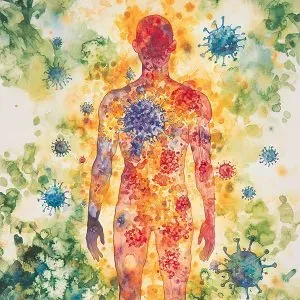
Disease Starts with Inflammation and Infection

February 22, 2018 by Deborah Penner


When someone walks into my office with pain—but no recent injury—I immediately suspect elevated systemic inflammation and infection. These underlying issues are at the root of countless health conditions, yet they often go undiagnosed or ignored.


I’ve met many people over the years who struggle with muscle and joint pain, stiffness, and discomfort in the neck, shoulders, back, or hips. Sometimes, there’s a clear cause like a car accident or a fall. But more often, there’s no obvious reason for their pain—it just appeared one morning or has been gradually getting worse over time.


The truth is, inflammation and chronic infection are silent drivers of disease. If your body is fighting an unseen battle against stealth pathogens, your pain, fatigue, or health struggles could be the result.


Our bodies are teeming with microbes—bacteria, viruses, fungi, parasites, and other microscopic life. Some are beneficial, others are neutral, and some are downright destructive. When these pathogenic microbes take hold in the body, they trigger inflammation, disrupt immune function, and contribute to chronic disease.

Chronic Conditions Linked to Inflammation

  • Alzheimer’s Disease – Linked to chronic infections and brain inflammation.
  • Atherosclerosis & Cardiovascular Disease – Bacteria in the bloodstream contribute to plaque buildup in arteries.
  • Autoimmune Disorders – Chronic infections can cause immune system confusion, leading to self-attack.
  • Chronic Fatigue Syndrome – Often associated with systemic infections.
  • Fibromyalgia – Tied to widespread inflammation and gut health issues.
  • Diabetes – Inflammation plays a key role in insulin resistance.
  • Gastrointestinal Disorders – GERD, ulcers, IBS, and Crohn’s disease often have microbial triggers.
  • Chronic Skin Conditions – Eczema, acne, rosacea, and psoriasis can be linked to gut bacteria imbalances.
  • Chronic UTIs & Pelvic Inflammatory Disease – Persistent infections that weaken the immune system.

Stealth Pathogens

Some microbes are especially good at hiding. These stealth pathogens evade detection by cloaking themselves from the immune system. Imagine hearing a window break in your house—you know something is wrong, but you can’t see the intruder. Your immune system reacts the same way, staying on high alert and eventually turning against itself, leading to autoimmune disease.


One well-documented example is Hashimoto’s Thyroiditis, which has been linked to Mycobacterium avium subspecies paratuberculosis (MAP)—a stealth pathogen found in dairy products, water, and even household pipes. Since MAP exposure is nearly unavoidable, many people unknowingly suffer from its long-term effects on thyroid health.

Where Are These Pathogens Hiding?

  • Mouth – Periodontal disease, gum infections, and cavities harbor harmful bacteria.
  • Gut – Digestive imbalances contribute to bloating, GERD, constipation, and more.
  • Brain – Infections can cause brain fog, anxiety, depression, and cognitive decline.
  • Heart & Arteries – Pathogens in the bloodstream contribute to cardiovascular disease.
  • Lungs – Chronic coughs and respiratory infections drain energy and vitality.
  • Bones & Joints – Hidden infections contribute to arthritis and joint pain.

The Bigger Picture

We’re all exposed to pathogens every day, but the real question is: how long can we stay healthy, and how much will we suffer before we die?


All chronic disease has some level of infection at its root. The modern world has compounded the problem with overuse of antibiotics, creating superbugs that are resistant to treatment. The numbers are staggering:


  • MRSA infections kill 50 people per day in the U.S.
  • Clostridium difficile (C. diff) infections claim 82 lives per day.
  • Multi-drug resistant tuberculosis (TB) is on the rise, with 150,000 deaths annually worldwide.

Pathogens evolve far faster than humans. They learn to evade treatments and become stronger. So, instead of relying on pharmaceuticals alone, we need a smarter strategy.

How to Fight Back

You can’t just go to war with these microbes using antibiotics—they adapt too quickly. Instead, the key is immune modulation—supporting your body’s natural defenses while reducing inflammation and microbial overgrowth through:


  • Detoxification – Clearing toxins that weaken the immune system.
  • Metabolic Optimization – Stabilizing energy pathways and reducing sugar intake (nutritional ketosis and fat burning).
  • Gut Health Support – Eliminating harmful microbes and restoring balance with targeted nutrition.
  • Immune System Upregulation – Using whole food nutrition and herbal medicines to support long-term resilience.

The Role of Herbal Medicine

Herbs have been used for centuries to fight infections without creating antibiotic resistance. However, quality matters—many herbal supplements on store shelves lack potency. That’s why I rely on Standard Process Supplements, a company that produces high-quality, pharmaceutical-grade herbal formulations for targeted immune support.

Your Health Is in Your Hands

Inflammation and infection are at the root of almost every chronic disease. But rather than waiting for symptoms to worsen, take proactive steps now. Detox, nourish your body, and support your immune system before chronic illness sets in.


Health isn’t about simply avoiding disease—it’s about actively building resilience every single day.

Colorful molecular chain illustration on a blue, green, and orange abstract background
By Deborah Penner June 30, 2026
When it comes to finding effective, accessible, and affordable health solutions, few topics are as intriguing as The Universal Antidote. This documentary, along with its Interactive Guide, Ultimate Reference Book, and comprehensive course , explores an alternative approach to addressing a wide range of health concerns—one that challenges mainstream medical paradigms while empowering individuals to take control of their own well-being.  Why This Information Matters The Curious Human Productions Substack article offers a critical lens on The Universal Antidote, emphasizing the significance of the film’s approach in a world where natural and alternative health solutions are often dismissed or suppressed. The documentary provides a well-researched, science-backed look at a controversial yet powerful substance, breaking down its potential benefits, safety, and applications. One of the key takeaways is how simple, inexpensive solutions are often overlooked in favor of pharmaceutical interventions . The film doesn’t just present theory—it dives into the chemistry, history, and practical use cases of this method, showing how it has been applied for detoxification, immune support, and overall wellness . What You’ll Find The website provides multiple resources for those eager to learn more, including: The full documentary , which explains the science, history, and potential benefits. The Interactive Guide , offering a structured way to explore the information at your own pace. The Ultimate Reference Book , a deep dive into studies, protocols, and testimonials. A comprehensive course , for those who want a step-by-step understanding of how to apply this knowledge effectively. The Substack review highlights how well-documented and thoroughly explained the material is , making it accessible to both beginners and those with a more advanced understanding of health and biochemistry. Why This Matters With rising concerns about chronic illness, environmental toxins, and pharmaceutical overreach , The Universal Antidote offers a refreshing perspective on self-reliance in health . The film’s message resonates deeply with those seeking alternative, science-backed methods to support the body’s natural detoxification and healing processes . If you’re curious about exploring a different approach to health and healing , this is a must-watch documentary. Watch, Read, and Learn More Head over to The Universal Antidote to watch the documentary, download the Interactive Guide and Ultimate Reference Book, or take the full course. Take the time to educate yourself, explore the science, and decide for yourself.
Person crouching in a grassy field beside a vivid blue, orange, and pink fire-like landscape
By Deborah Penner June 29, 2026
Wildfire smoke exposure has profound health consequences, yet its impact on chronic illness remains widely overlooked. A Midwestern Doctor explores the link between particulate matter inhalation and conditions such as cardiovascular disease, lung disease, and cognitive decline, emphasizing the role of glutathione in protecting lung tissue.  The article highlights the lessons learned from wildfire-related illnesses, particularly how exposure worsens pre-existing inflammatory conditions and contributes to long-term health deterioration. It also sheds light on the parallels between wildfire toxicity and other environmental exposures, such as pollution and pharmaceuticals, that can push individuals past their body’s threshold for chronic illness. One of the most promising solutions discussed is nebulized glutathione, which replenishes the lungs’ natural defense system, helping mitigate damage from smoke inhalation and potentially offering relief for those suffering from COPD. Additionally, the therapeutic potential of DMSO in respiratory conditions is examined, alongside other integrative approaches for addressing the systemic effects of wildfire exposure. To understand how wildfire illness can reshape our approach to lung health and chronic disease, read the full article by A Midwestern Doctor on The Forgotten Side of Medicine .
Silhouetted figure facing a vivid watercolor sky with a cell tower and power lines at sunset
By Deborah Penner June 29, 2026
March 17, 2025 by Deborah Penner Electromagnetic fields (EMF) and 5G technology have rapidly expanded across the globe with little consideration for their long-term impact on human health and the environment. Dr. Mark Trozzi, a dedicated physician and researcher, explores the hidden dangers of EMF exposure and the heightened risks that come with 5G. He reveals how governmental agencies, despite being informed of the concerns, have remained powerless in the face of telecom industry influence. Even before the rollout of 5G, studies linked EMF exposure to a range of serious health issues, including cancer, infertility, neurological disorders, and cardiovascular disease. Dr. Trozzi highlights that 5G takes these risks further with the use of higher frequencies, such as 60 GHz, which directly interact with oxygen molecules and could disrupt their ability to bind with hemoglobin. He also sheds light on the military origins of some 5G frequencies and the aggressive destruction of trees to facilitate stronger signals—an alarming environmental consequence. Through his research, Dr. Trozzi underscores the urgent need to recognize EMF radiation as a major public health threat. He calls for awareness, education, and practical steps to mitigate exposure, drawing attention to the work of leading experts like Dr. Devra Davis and Dr. Arthur Firstenberg. To learn more about the critical health risks of 5G and EMF exposure, read the full article and watch the video at drtrozzi.news .
Watercolor-style cows grazing in a green pasture under a bright sky
By Deborah Penner June 25, 2025
March 25, 2025 by Deborah Penner In a world full of modern seed oils and synthetic skincare products, tallow is making a comeback—and for good reason. In his latest article, Dr. Robert Malone explores this time-honored fat that has nourished and supported humans for generations. From its dense nutritional profile to its unique benefits for the skin, tallow stands out as a versatile, shelf-stable, and highly bioavailable source of essential fatty acids, fat-soluble vitamins (A, D, E, K2, and B12), and anti-inflammatory compounds like conjugated linoleic acid (CLA). Dr. Malone breaks down what tallow is, how it’s rendered, and why sourcing it from grass-fed animals matters. He covers its historical culinary use, superior storage potential, and modern skincare advantages. He also shares how to make tallow at home, along with tips for storage, sourcing, and practical applications—even including a nod to traditional meat drippings. If you’re interested in ancestral nutrition, reducing toxic exposures, or reclaiming sustainable practices in your home and kitchen, this article is a must-read.  Read the full article on Robert Malone’s website to explore the health benefits, uses, and how-to of tallow.
Plated roasted lamb chop with herbs, berries, and lemon slices on a white dish
By Deborah Penner March 20, 2025
March 20, 2025 by Deborah Penner If you’re looking for a powerful way to support metabolism, joint health, and overall vitality—without reaching for another supplement—consider this often-overlooked cut of meat: the shank. In a recent article on Mercola, Ashley Armstrong highlights why shanks (from beef, pork, or lamb) may actually outperform steaks when it comes to nutrient density and health benefits. Rich in collagen and connective tissue, shanks offer a more balanced amino acid profile than typical muscle meats. When cooked low and slow, they yield gelatin—a form of collagen that’s easier for the body to absorb. This provides crucial support for the skin, joints, bones, and gut, while also boosting metabolic health through glycine, a key amino acid that helps regulate inflammation and energy production. Armstrong also explores the wisdom of traditional diets, which prioritized nose-to-tail eating and naturally included more collagen-rich foods. Today’s steak-heavy habits miss out on these benefits, making shanks an easy and affordable way to restore that balance. The article includes 15 time-tested recipes from around the world, and a video walking through Armstrong’s favorite braising method.
By Deborah Penner March 8, 2025
Key Takeaways from the Interview